
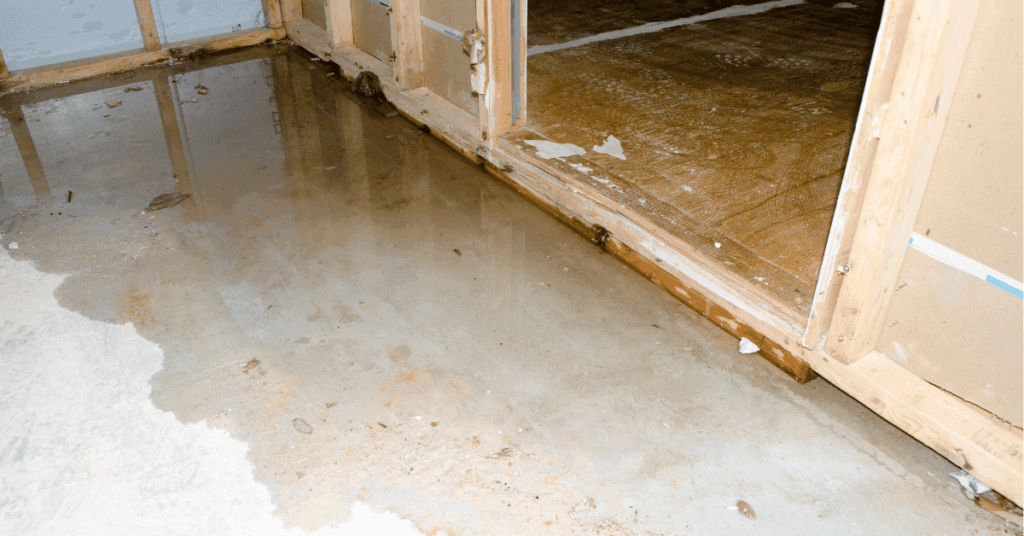
Basement water problems are a common concern for homeowners. Whether it appears as damp walls, standing water, or musty odors, moisture in the basement can lead to structural damage and unhealthy living conditions if it is not addressed.
One of the most effective ways to manage basement water intrusion is with an interior drain tile system. This drainage solution is designed to collect groundwater beneath the basement floor and safely direct it away from the home.
Understanding how interior drain tile systems work and when they may be needed can help homeowners prevent ongoing moisture issues and protect their foundation.
What Is an Interior Drain Tile System?
An interior drain tile system is a drainage solution installed beneath the basement floor to collect water that accumulates around the foundation.
During installation, a narrow section of the basement floor is removed around the perimeter of the room. Perforated pipes are then installed below the concrete slab near the foundation footing. These pipes collect groundwater that gathers beneath the basement floor or along the foundation walls.
The pipes are surrounded by washed gravel to allow water to flow freely into the system while preventing debris from clogging the pipes. The collected water is then directed to a sump pump, which pumps it away from the home. Once the system is installed, the removed concrete is re-poured to restore the basement floor.
This process allows water to be captured and redirected before it can build up inside the basement.
How Interior Drain Tile Systems Help Prevent Basement Water Issues
Groundwater naturally moves through the soil surrounding a home. During heavy rain or snowmelt, the soil can become saturated, increasing pressure around the foundation.
This pressure, known as hydrostatic pressure, can force water through cracks in the basement floor or walls. An interior drain tile system helps relieve this pressure by collecting the water and directing it away from the foundation before it enters the living space.
By controlling groundwater beneath the basement floor, interior drain tile systems help keep basements dry and reduce the risk of long-term moisture damage.
Signs Your Home May Need an Interior Drain Tile System
Some basement water problems indicate that groundwater is entering from beneath the foundation. In these situations, an interior drain tile system may be an effective solution.
Common signs include:
- Water seeping up through cracks in the basement floor
- Standing water after heavy rain
- Persistent dampness or high humidity in the basement
- Musty odors or signs of mold growth
- Efflorescence (white mineral deposits) on basement walls
- Water appearing where the wall meets the floor
These issues often occur when groundwater pressure pushes moisture into the basement from below.
When to Consider Installing Interior Drain Tile
Interior drain tile systems are often recommended when homeowners experience recurring basement water problems that cannot be solved with simple exterior fixes.
Homes in areas with clay-heavy soil or poor drainage may be particularly susceptible to groundwater pressure around the foundation. In these situations, managing water beneath the basement floor is often the most effective long-term solution.
A professional inspection can help determine whether interior drainage is the best approach for protecting the home.
Interior Drain Tile Installation in the Kansas City Metro
If your basement is experiencing ongoing moisture problems, installing an interior drain tile system may help prevent future water intrusion.
Arrow Foundation Repair provides basement drainage solutions, including interior drain tile installation, for homeowners throughout the Kansas City metro area. A professional evaluation can help identify the source of the water problem and recommend the best solution to keep your basement dry.

